
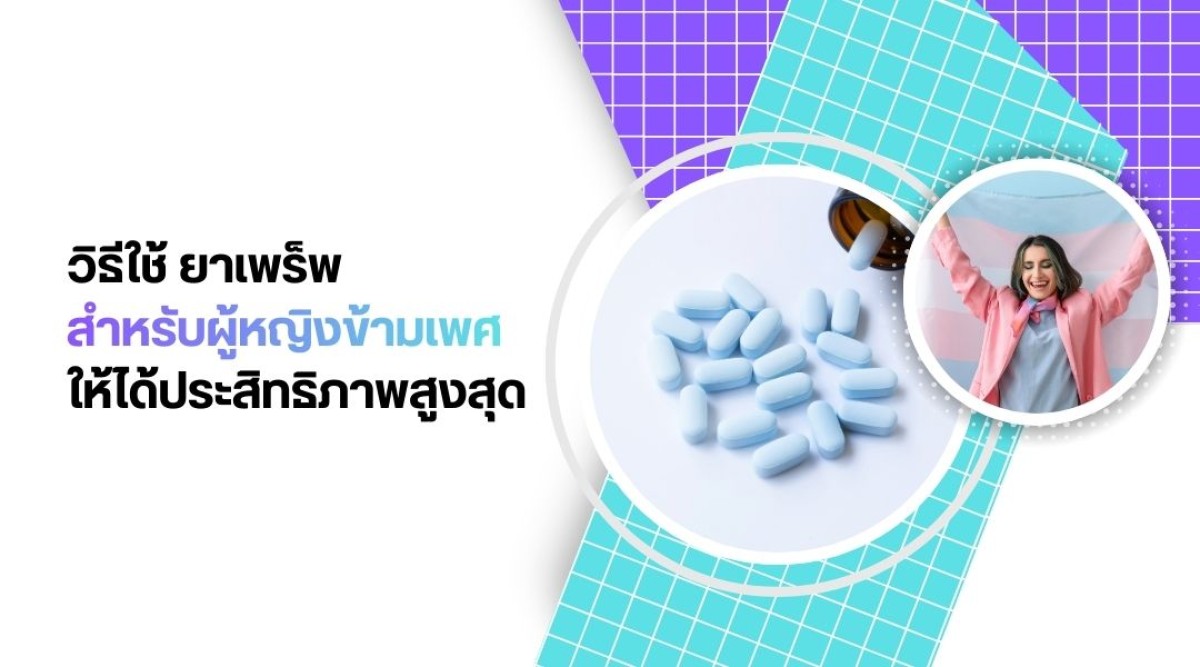
In recent years, HIV prevention has advanced significantly. One of the most important and widely recognized tools is the use of PrEP, or Pre-Exposure Prophylaxis. PrEP is a medication taken before potential exposure to HIV to significantly reduce the risk of infection. While PrEP has been widely recommended for populations at higher risk of HIV exposure, many transgender women still have questions about how to use it correctly, safely, and effectively. Concerns often include how PrEP interacts with hormone therapy, how the medication is absorbed in the body, and which PrEP regimen is most appropriate. This article explains in detail how to use PrEP for transgender women to achieve the highest possible protection against HIV, while presenting medically accurate and accessible information.
What Is PrEP for Transgender Women
PrEP for transgender women refers to the use of antiretroviral medication taken before potential exposure to HIV in order to prevent infection. The most commonly used PrEP medications contain two antiviral drugs: Tenofovir and Emtricitabine. These medications work by preventing HIV from replicating inside the body’s cells. When taken consistently and correctly, PrEP can reduce the risk of acquiring HIV from sexual contact by more than 90 percent. This is particularly important for transgender women who engage in receptive anal sex, which is considered one of the highest-risk routes for HIV transmission. PrEP therefore represents an essential tool for protecting the sexual health of transgender women.
The Importance of PrEP Among Transgender Women
Transgender women are considered one of the populations at higher risk of HIV infection compared to the general population. Epidemiological studies in many countries show that HIV prevalence among transgender women is significantly higher than in other groups. Several factors contribute to this increased vulnerability, including limited access to healthcare services, social stigma, economic inequality, and barriers to receiving accurate sexual health information. PrEP plays an important role in reducing this risk. Beyond preventing HIV infection, PrEP empowers transgender women to take control of their sexual health and reduce uncertainty in situations where HIV exposure may occur.
Recommended PrEP Regimen for Transgender Women
There are generally two main ways to use PrEP: Daily PrEP, where the medication is taken every day, and On-Demand PrEP, where the medication is taken around the time of sexual activity. For transgender women, most medical guidelines recommend the daily PrEP regimen. Daily use allows the medication to maintain a stable concentration in the body and in tissues involved in HIV exposure, such as rectal tissue. This consistent drug level provides stronger and more reliable protection. Daily PrEP is also practical because sexual activity is not always planned in advance, and maintaining daily protection helps prevent situations where medication is not taken in time.
How to Use PrEP for Maximum Effectiveness
To achieve the highest level of protection, PrEP should be taken consistently every day at approximately the same time. Regular dosing ensures that the medication reaches and maintains effective levels in the bloodstream and body tissues. For individuals starting PrEP for the first time, it is recommended to take the medication for at least seven consecutive days before engaging in receptive anal sex, allowing the drug to accumulate to protective levels. Regular HIV testing every three months is also an essential part of PrEP care. In addition, routine screening for sexually transmitted infections helps ensure overall sexual health and allows healthcare providers to monitor the safety and effectiveness of PrEP use.
Does PrEP Affect Hormone Therapy in Transgender Women

One of the most common concerns among transgender women is whether PrEP will interfere with gender-affirming hormone therapy. Research has shown that PrEP does not reduce the effectiveness of estrogen therapy used by transgender women. Likewise, hormone therapy does not appear to significantly reduce the ability of PrEP to prevent HIV infection. Some studies suggest that transgender women who take estrogen may have slightly lower levels of PrEP medication in their bloodstream compared with other populations. Because of this possibility, taking PrEP consistently every day becomes even more important to ensure that protective drug levels are maintained.
Starting PrEP for Transgender Women
Before beginning PrEP, individuals should consult with a healthcare provider for proper evaluation and counseling. Several medical assessments are typically required before starting the medication. These include HIV testing to confirm that the person is HIV-negative, kidney function testing to ensure that the medication can be used safely, and a discussion about sexual risk and prevention strategies. Healthcare providers may also explain possible side effects and discuss follow-up visits after starting PrEP. This process helps ensure that PrEP is both safe and appropriate for each individual.
Possible Side Effects of PrEP
PrEP is considered a safe medication and has been widely used around the world. However, some individuals may experience mild side effects during the early weeks of use. These may include nausea, headache, or mild fatigue. In most cases, these symptoms are temporary and resolve within a short period as the body adjusts to the medication. In the long term, PrEP may affect kidney function or bone density in a small number of users. For this reason, regular medical monitoring is recommended to ensure that the medication continues to be safe.
Misconceptions About PrEP Among Transgender Women
Despite the strong scientific evidence supporting PrEP, several misconceptions still discourage some transgender women from using it. Some people believe that PrEP may interfere with hormone therapy or affect body changes related to gender transition. Current scientific evidence does not support these concerns. Providing accurate and accessible health information is essential for helping transgender women make informed decisions about HIV prevention and for encouraging greater access to PrEP services.
Combining PrEP With Other Prevention Methods

Although PrEP is highly effective in preventing HIV infection, it does not protect against other sexually transmitted infections such as syphilis, gonorrhea, or chlamydia. For this reason, using condoms together with PrEP remains one of the best strategies for comprehensive sexual health protection. Regular sexual health check-ups are also recommended so that any infections can be detected and treated early.
The Future of HIV Prevention for Transgender Women
HIV prevention strategies continue to evolve, and new technologies are being developed to improve convenience and accessibility. Long-acting injectable PrEP, for example, allows individuals to receive protection through periodic injections instead of daily pills. Additional biomedical innovations may also expand prevention options in the future. However, at present, daily oral PrEP remains one of the most accessible and effective HIV prevention methods available for transgender women worldwide.
Conclusion
PrEP for transgender women is a highly effective strategy for preventing HIV infection. When taken correctly and consistently, it can significantly reduce the risk of acquiring HIV. Understanding how to use the medication, recognizing potential side effects, and maintaining regular health check-ups are essential for ensuring safe and effective use. Access to reliable information and supportive healthcare services also plays a crucial role in improving sexual health outcomes and overall quality of life for transgender women.
Sources and further reading
Primary and authoritative sources used for context and fact-checking.
- Frequently asked questions on sexual and gender diversity, health and human rights World Health Organization (WHO)
- The Thai Handbook of Transgender Healthcare Services IHRI & Center of Excellence in Transgender Health, Chulalongkorn University
- Standards of Care for the Health of Transgender and Gender Diverse People, Version 8 World Professional Association for Transgender Health (WPATH)
- Consolidated guidelines on HIV, viral hepatitis and STI for key populations (2022) World Health Organization (WHO)
- STI Treatment Guidelines: Transgender and Gender Diverse Persons U.S. Centers for Disease Control and Prevention (CDC)